Let’s ask a question: what is an Institutional Food Service Partner? Or rather, when was the last time you heard someone say, “Our office has the best cafeteria in the city”? Probably never. But you’ve almost certainly heard the opposite.
- “The food has become repetitive.”
- “The lunch is always late.”
- “The canteen isn’t as clean as it used to be.”
Food is one of those things people rarely appreciate when everything is going well. Yet the moment something goes wrong, it becomes the most talked-about subject in the office WhatsApp group or the school parents’ forum. It’s interesting how something as ordinary as lunch can influence the mood of an entire workplace. And that’s exactly why organisations across Kolkata are beginning to look at institutional food very differently.
It’s no longer just about feeding people. It’s about taking care of them.
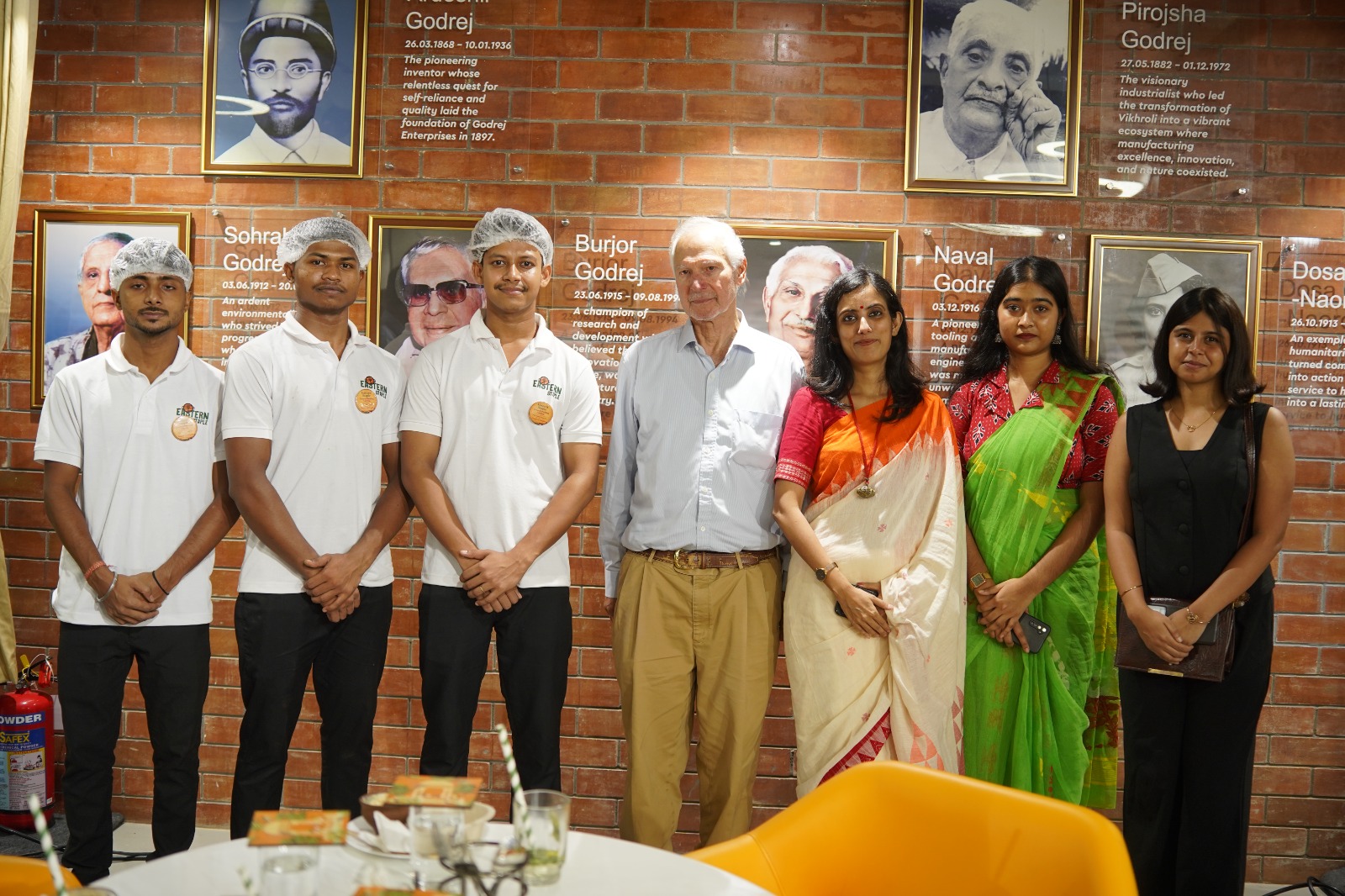
The Cafeteria Has Quietly Become Part of an Institution’s Identity
Think about it.
Employees spend nearly one-third of their day at work. Students spend most of their waking hours in schools and colleges. For both, lunch isn’t simply another meal. It’s a break. A conversation. A chance to recharge before getting back to work or class. Many friendships begin over shared meals. Some of the best ideas are discussed over cups of tea rather than inside conference rooms. Food has a strange way of bringing people together. That’s why organisations today are paying more attention to dining experiences than they did even five years ago. A clean dining space, fresh meals and a thoughtfully planned menu quietly tell people that the organisation cares.
Why Institutions Are Rethinking Food Services
Until recently, many organisations managed their cafeterias in-house or worked with local caterers who handled daily meals. For some, that still works. But as organisations have grown larger and expectations have evolved, so have the challenges. Planning menus. Maintaining hygiene. Managing kitchen staff. Ensuring timely delivery. Balancing nutrition with taste. Handling changing headcounts. These are no longer small operational tasks. They require systems. That’s why many organisations are moving away from simply hiring a caterer and instead partnering with specialised institutional food service providers. The difference may sound subtle, but it’s significant. A caterer serves food. A food service partner manages the entire dining experience.
It’s About Understanding People, Not Just Menus
Every workplace is different.
An IT company operating late shifts has very different food requirements from a manufacturing plant running multiple shifts. Similarly, the expectations of a preschool are very different from those of a university campus. Good institutional dining recognises these differences. The menu isn’t just a list of dishes. It reflects the people it’s meant to serve.
This is where specialised food service companies have started making a noticeable difference. Rather than offering the same fixed menu to every client, organisations like Eastern Staple spend time understanding the workplace or campus first—its people, schedules, dietary preferences and operational requirements. The result is a meal programme that feels relevant rather than routine.


And perhaps that’s how institutional dining should always have been.
Consistency Is More Important Than Creativity
Anyone can impress during a tasting session. The real challenge begins on the hundredth working day.
- Can the food still taste fresh?
- Can lunch still be served on time?
- Can hygiene standards remain unchanged even during peak operations?
These are the questions that matter far more than whether dessert is served twice a week. Consistency builds trust. And trust is what every organisation is really buying.
Good Food Doesn’t Have to Be Fancy
There’s a common misconception that employees or students want elaborate meals every day. Most don’t. People usually remember something much simpler.
- Fresh rice.
- A well-cooked dal.
- Vegetables that aren’t overcooked.
- Fish that tastes fresh.
A balanced meal that doesn’t leave them feeling heavy for the rest of the afternoon. In fact, some of the most successful institutional dining programmes focus on exactly this—simple, nutritious meals prepared consistently well. Companies like Eastern Staple have embraced this philosophy by focusing on home-style food, seasonal ingredients and rotating menus instead of trying to impress people with unnecessarily complicated dishes. It may sound simple, but maintaining that quality every day requires considerable planning behind the scenes.
Hygiene Is No Longer a Selling Point
It’s an expectation. Whether it’s an office cafeteria or a school kitchen, people today expect high standards of cleanliness. Parents ask questions. Employees notice. Auditors inspect. Professional food service providers understand this. Good hygiene isn’t just about wearing gloves or hairnets. It starts with ingredient sourcing, kitchen practices, storage systems, transportation, and staff training. Ironically, when hygiene standards are excellent, nobody notices. And that’s exactly how it should be.
Why More Organisations Are Choosing Long-Term Partners
Institutional dining isn’t a one-day event. It’s a relationship. The food partner becomes part of the everyday functioning of the organisation. They learn employee preferences. Understand examination schedules. Adjust meals during festivals. Plan for unexpected increases in attendance. Respond to feedback. Improve over time. This collaborative approach is gradually replacing the traditional client-vendor relationship.
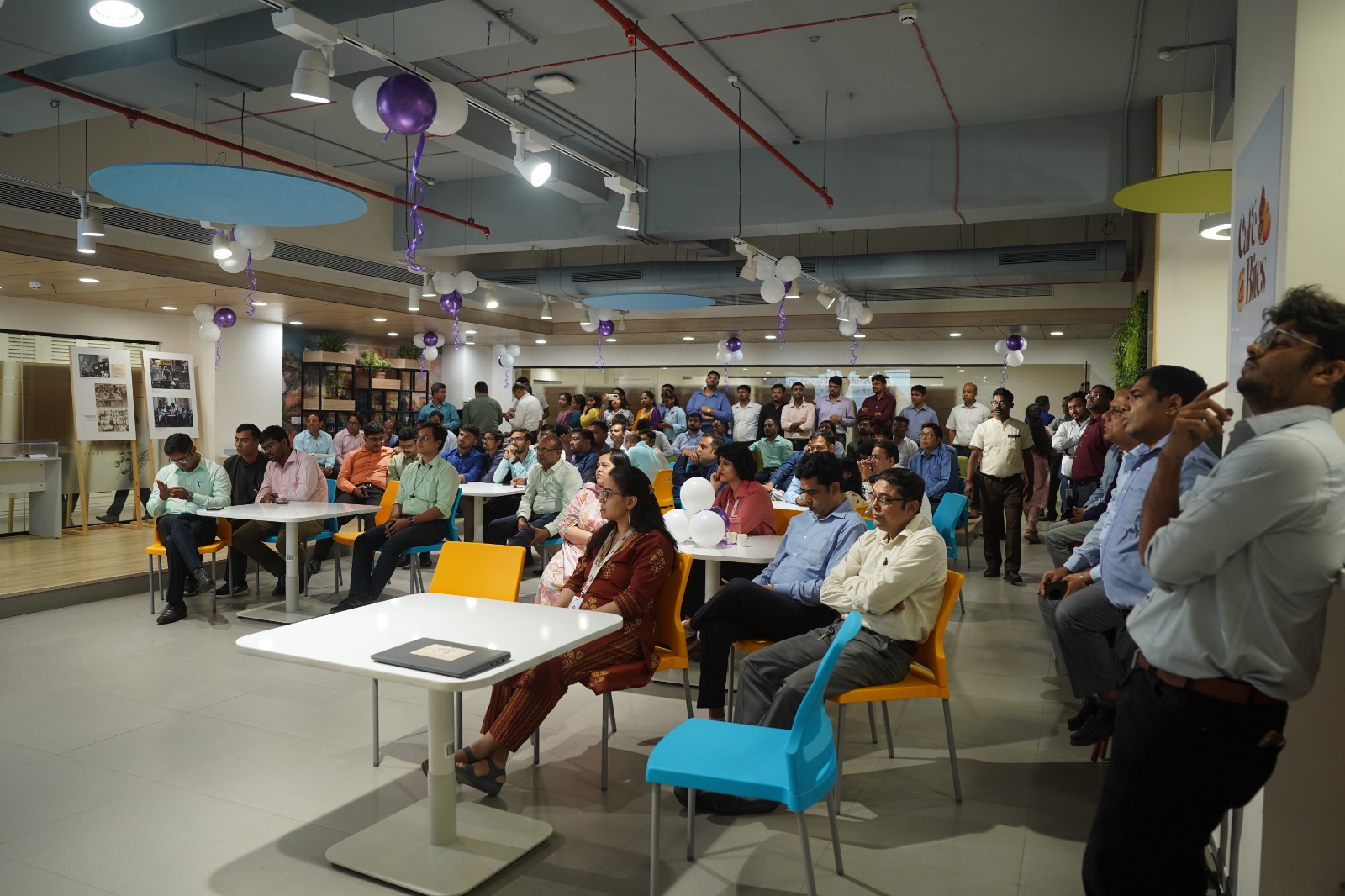
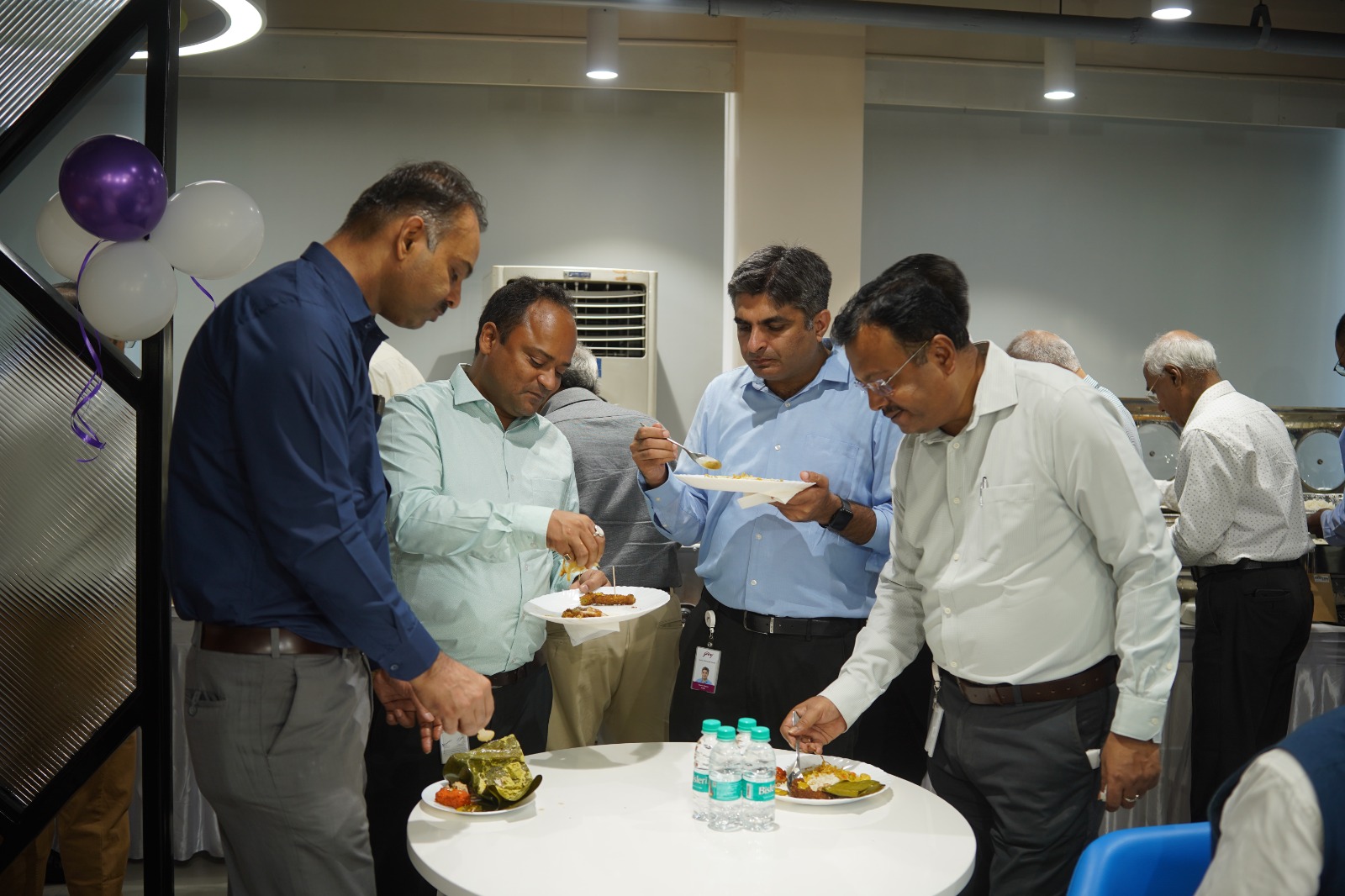
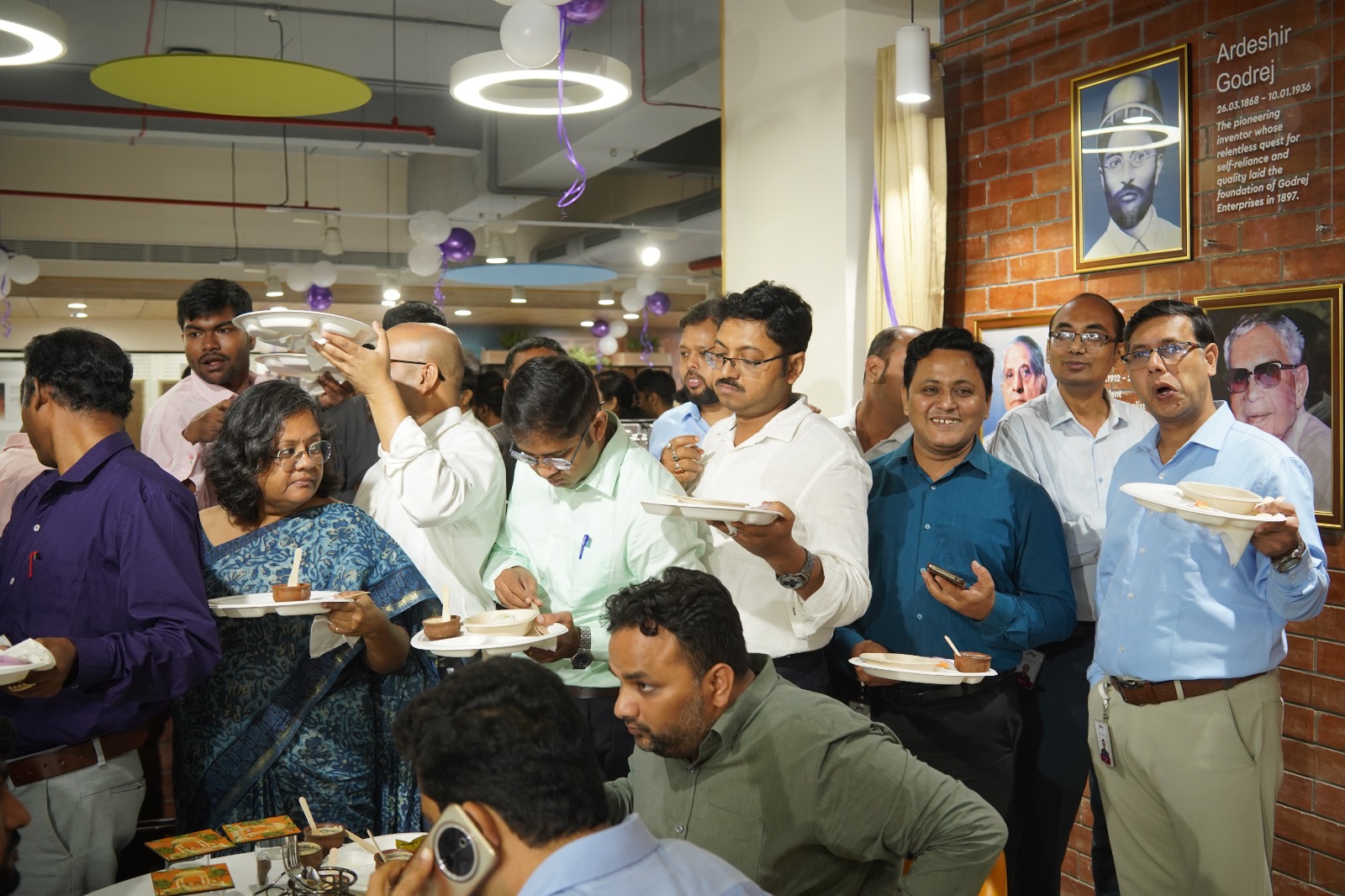
Across Kolkata, companies such as Eastern Staple are increasingly being recognised for this long-term partnership model. Instead of simply delivering meals, the emphasis is on working closely with organisations, reviewing feedback regularly and continuously refining menus and operations. It’s a quieter approach, but one that builds trust over time.
Looking Beyond the Lowest Price
Every procurement decision eventually reaches the same question. “What does it cost?” It’s an important question. But perhaps it shouldn’t be the first one. Because the cheapest food service isn’t always the most economical. Late meals reduce productivity. Poor quality leads to dissatisfaction. Inconsistent service creates unnecessary administrative work. Replacing vendors every year consumes time and resources. The better question might be:
“Will this partner make everyday life easier for our people?”
That’s a much harder question to answer—but often the right one.
A Quiet Shift That’s Changing Kolkata
If you’ve noticed better cafeterias in offices or healthier menus in schools recently, you’re not imagining it. Institutional dining in Kolkata is changing. Organisations are becoming more thoughtful about food because they understand its impact on employee well-being, student health and overall experience. The conversation has moved beyond simply serving meals. It’s now about creating environments where people genuinely enjoy spending their day. That shift has also encouraged the growth of specialised institutional food companies that understand the unique needs of workplaces and educational institutions.
Final Thoughts
The best food service is rarely the one that receives applause. It’s the one people quietly depend on. Lunch arrives on time. The menu changes often enough to remain interesting. The food is fresh. The dining area is clean. Complaints become rare. People simply enjoy their meal and get on with the rest of their day. Behind that seemingly effortless experience is careful planning, disciplined execution and a team that understands that food is about much more than recipes.
It is about people.
As Kolkata’s offices, schools and institutions continue to evolve, the role of food service partners will only become more important. Organisations like Eastern Staple reflect this changing mindset by treating institutional dining as an integral part of everyday operations rather than just another outsourced service. Their approach—centred on consistency, thoughtful menus and collaborative partnerships—illustrates where the future of institutional food services is headed.
After all, a good cafeteria doesn’t just feed an organisation.
In many ways, it becomes part of its culture.
